
How To Get Smooth Skin?
We all strive for having smooth skin. While our genes do play a part in the way our skin looks, the good news is that our daily habits and skincare routines can make a big difference too. Here are some tips to help you achieve that lovely, smooth skin you’ve been hoping for:
1. Cleanse Gently:
Keeping the outer layer of your skin clean is important. When you start with a fresh surface, other skincare products like serums and moisturizers can really sink in and work more effectively. Just reach for a gentle cleanser that wipes away dirt, oil, and makeup, all while keeping your skin’s natural oils intact. A good cleanse helps remove those impurities to the curb, so your skin feels happy and congestion-free.
-
- Twice daily: Cleansing your skin twice a day is a great way to keep it fresh. If that feels like too much for you, just try to wash your face once in the evening.
- Warm water: Try to avoid hot water, as it can leave your skin feeling dry. Gently clean your skin instead of scrubbing too hard.
- Pat dry: Grab a soft towel and lightly pat your skin to dry it.
2. Exfoliate Regularly:
Exfoliation is simply a way to clear away dead skin cells sitting on your skin’s surface. When you clear away that top layer of skin, you’ll uncover a fresher, more radiant complexion underneath. Plus, it helps to even out any rough spots and smooths out uneven textured skin.
Don’t Over-Exfoliate: Overdoing it can upset your skin and cause irritation.
Choose the Right Products: Make sure to choose products that match your skin type.
Twice a Week: Exfoliating your skin twice a week can really work wonders. It helps slough off those dead skin cells, revealing a brighter, smoother complexion, and preventing clogged pores.
3. Moisturize Daily:
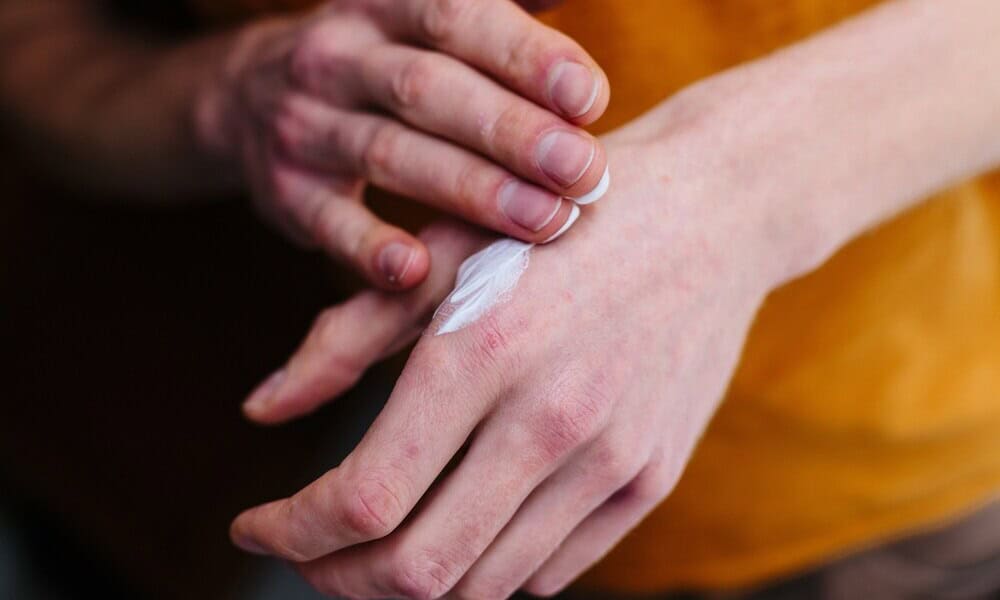
Using a good moisturizer helps keep your skin hydrated, which stops it from getting dry and flaky. When your skin is well-hydrated, it looks plumper and smoother, which can help reduce the look of fine lines and wrinkles.
-
- Choose a moisturizer: When choosing a moisturizer, it’s important to pick one that matches your skin type—whether you have dry skin, oily skin, or combination skin. When you’re on the hunt for the perfect moisturizer for your skin type, keep an eye out for ingredients like hyaluronic acid.
- Apply regularly: Make sure to give your skin some attention by moisturizing it both in the morning and at night. This little daily routine helps keep your skin hydrated.
4. Protect Your Skin from the Sun:
Spending too much time in the sun can be tough on your skin barrier. Those ultraviolet (UV) rays can really do a number on you, leading to something we all want to avoid: sunburn. Sun damage can make your skin feel a bit rough. You might notice it by the redness, tenderness, or even blisters that can pop up. Not only is sunburn uncomfortable, but it can also damage your skin’s DNA and raise the chances of developing skin cancer down the road.
-
- Wear sunscreen: Make sure to apply a broad-spectrum sunscreen with an SPF of 30 or higher every day. Using sunscreen every day is a simple way to help you prevent premature aging, skin damage, dark spots, and uneven skin tone.
- Seek shade: Try to stay out of the sun during the hottest parts of the day.
- Wear protective clothing: When you’re spending time outside, don’t forget to protect your skin texture. Grab a hat, put on some sunglasses, and a long-sleeve shirt.
5. Healthy Diet:
Taking care of your skin starts with what you eat. Eating a variety of colorful fruits and veggies—like those berries, spinach, and carrots—can really help your skin stay healthy. These foods are packed with antioxidants that fight off those pesky free radicals, which can harm your skin cells. Remember to make sure to drink plenty of water. Staying hydrated helps keep your skin looking smooth and prevents that annoying dryness and flakiness.
-
- Eat a balanced diet: Make sure to include plenty of fruits, veggies, and whole grains in your diet. They’re packed with all the essential vitamins and minerals you need to stay healthy.
- Limit processed foods and sugar: These can lead to some skin issues.
6. Manage Stress:
Stress can really affect your skin. When you’re feeling stressed out, it can weaken your skin’s natural defenses, making it more prone to dryness, irritation, and sensitive skin. Plus, stress can mess with the collagen production and elastin, which are super important for keeping your skin firm and elastic.
-
- Practice stress-relief techniques: Stress can take a toll on your skin. You can give your skin some attention by trying out meditation, yoga, or even some deep breathing exercises.
- Prioritize sleep: Try to get around 7-8 hours of good sleep each night.
7. Consult a Dermatologist:
A dermatologist is a medical professional who specializes everything related to your skin, hair, and nails. They’re here to help you tackle any concerns you might have, whether it’s pesky acne or something more serious, like skin cancer. With a variety of services at their fingertips, dermatologists work with you to keep your skin healthy.
-
- Professional advice: If you’re dealing with any skin concerns, a dermatologist is their to help. They can give out advice just for you and suggest treatments
If you keep these tips in mind and consulting with a dermatologist, you can definitely get that healthier, smoother skin you’re after. Just remember, sticking to your routine is important.
What causes rough skin?
There are quite a few things that can lead to rough skin:
Environmental Factors:
- Dry Weather: Cold, dry weather can really take a toll on your skin’s natural moisture.
- Hot Showers or Baths: Taking long, hot showers might feel good, but they can actually strip your skin of moisture.
- Harsh Soaps and Detergents: These can take away your skin’s natural oils.
Lifestyle Factors:
- Dehydration: When you don’t drink enough water, this can lead to dry and flaky skin.
- Poor Diet: Not getting enough important vitamins and minerals can really affect your skin health.
- Stress: Stress can make your skin feel even worse and might lead to dry skin.
Health Conditions:
- Skin Conditions: Eczema, psoriasis, and other skin conditions can lead to rough and scaly patches on your skin.
- Medical Conditions: Some medical conditions, like diabetes and kidney disease, can have an impact on skin health.
- Medications: Some medications might lead to dry skin as a side effect.
Aging:
- As we get older, our skin doesn’t hold onto moisture quite as well as it used to, which can sometimes make it feel a bit dry and rough.
If you’re dealing with rough skin that just won’t go away, it’s a good idea to consult with a dermatologist. They can help figure out what’s causing it and guide you toward the right treatment.


