
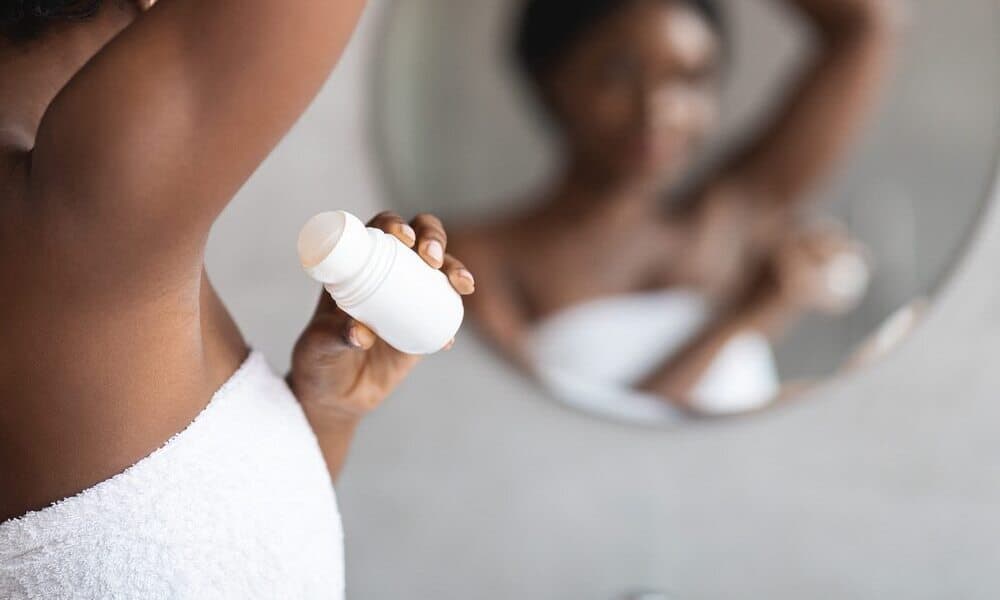
Ever wonder what’s going on under your arms when you swipe on antiperspirant? Picture your sweat ducts as tiny tunnels, always open to let moisture escape. Antiperspirant works by slipping an almost invisible plug into those tunnels — a bit of smart chemistry in action.
- Your sweat ducts are like microscopic tubes for moisture release.
- Antiperspirant’s active ingredients are aluminum-based compounds (like aluminum chloride).
- When applied, these dissolve in the skin’s natural moisture.
- The dissolved aluminum forms a gel-like plug inside each sweat duct.
- This plug temporarily slows or stops sweat from reaching your skin’s surface.
- After 24–48 hours, the plug naturally breaks down as skin cells shed.
The result? Less sweat, drier underarms, and a lot more confidence.
Is It Okay to Use Antiperspirant Daily?
Absolutely. Antiperspirants are approved by regulatory bodies and are safe for everyday use. Most concerns—like fears of cancer or Alzheimer’s—haven’t been supported by strong scientific evidence. The most common issue is mild underarm irritation, which is usually avoidable by applying to clean, dry skin and avoiding freshly shaved areas.
Is It Better to Use Antiperspirant at Night or Morning?
Tackling sweat overnight is your best bet. When you apply antiperspirant at bedtime, your sweat glands are at rest, giving those aluminum plugs time to form without being washed away. Once set, they often hold through the entire next day—even after a shower. Morning application still works, but for best results, night + a quick touch-up in the morning is your stealthy one-two punch for dryness.
Does Showering Wash Off Antiperspirant?
Nope, not after it’s had time to do its job. The little aluminum-based plugs just sit right inside your sweat ducts, so water and soap can’t simply wash them away. The whole secret is timing. Putting it on right before a shower is pointless because the plugs haven’t even formed yet. That’s why putting it on at night is so effective: by morning, the protection is already totally locked in.
Is There a Downside to Antiperspirant?
There are just a few small caveats:
- Skin irritation—common if applied right after shaving or if your armpits are sensitive.
- Clothing stains—aluminum may react with sweat or detergents, leading to yellow marks on light fabrics.
- Minor bumps—some people notice clogged ducts or folliculitis over time.
Switching to an aluminum-free deodorant avoids these issues—but it also means letting sweat through while only masking odor.
Antiperspirants are pretty good in how they tame underarm moisture with a plug-inducing swipe. Use them right—nighttime, clean and dry skin—and they’re safe, effective, and confidence-boosting. Want to keep sweating—or shrink odors—in check? I can help you fine-tune your routine or suggest products that bring the best of both worlds.
Can You Put Deodorant on Top of Antiperspirant?
Yes. Antiperspirant controls sweat, while deodorant targets odor-causing bacteria. Using both can give you dryness and a scent you like. Just let the antiperspirant dry completely first, then add deodorant on top. Some products combine the two, but layering gives you more control over strength and fragrance.
Why Am I Still Sweating With Antiperspirant?
Even with proper use, it can happen. Some people naturally produce more sweat than a standard antiperspirant can block, especially if they have hyperhidrosis. Applying to damp skin can also dilute the active ingredients before they have a chance to work. And sometimes the formula simply isn’t strong enough.
If you still sweat a lot, try:
- Applying at night to completely dry skin.
- Switching to a clinical-strength antiperspirant.
- Covering a slightly larger area so sweat isn’t escaping from untreated spots.


