
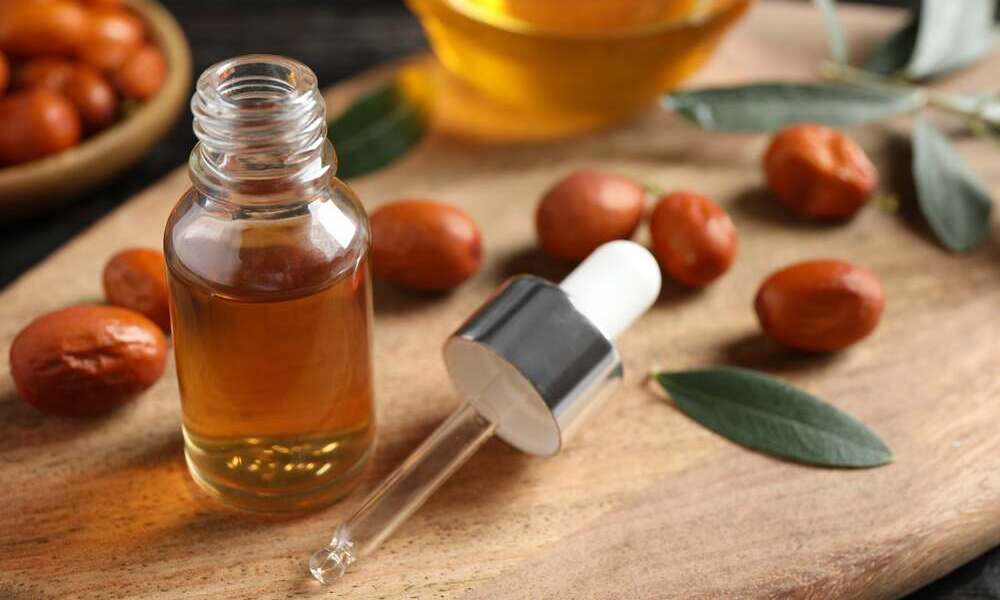
So, jojoba oil and dry skin? They’re practically best buds. It’s got a good reputation for playing nice with skin, but people are always wondering if it really makes those parched faces happy. Here are some benefits jojoba oil:
- Mimics Natural Sebum: Jojoba oil is actually a liquid wax ester and its structure is quite similar to the natural oil, called human sebum, that our skin makes on its own. This similarity means that jojoba oil gets absorbed easily and can help balance your skin’s oil production.
- Excellent Moisturizer: It acts as both an emollient, which means it helps soften and smooth your skin, and as a humectant, which draws in and holds onto water. This combination works wonders to keep your skin deeply moisturized and prevents transepidermal water loss (TEWL) from losing that precious moisture.
- Non-Comedogenic: Unlike other oils, natural jojoba oil is non-comedogenic that won’t clog your pores, making it a great choice if you’re worried about breakouts. Its special structure and properties help it resist the kind of bacterial growth that can cause acne and blemishes.
- Rich in Nutrients: This product is packed with natural Vitamin E, which is a powerful antioxidant that helps shield your skin from environmental stressors while also supporting its healing process. It also has a mix of B-complex vitamins, along with important minerals like chromium, copper, and zinc.
- Soothing and Anti-inflammatory: Jojoba oil has anti-inflammatory perks can really help calm dry, itchy, or flaky skin, making it a good option if you’re dealing with skin conditions like eczema or psoriasis.
- Improves Skin Barrier: It helps your skin hold onto moisture and keeps it from drying out, which is important for keeping that healthy skin barrier in check.
- Hypoallergenic: Most skin types, including sensitive skin, usually get along quite well with it, and allergic reactions are pretty uncommon.
- Reduces Appearance of Dark Circles: Jojoba oil’s hydrating, anti-inflammatory, and antioxidant qualities can really help improve the overall health and look of that area. By using it regularly, you might even notice a reduction in dark circles.
- Balances Oil Production: Jojoba oil acts just like the natural oils our skin produces. When you use it, your skin gets the message that it has enough oil, which helps keep everything balanced. This means it’s great for everyone—whether your skin tends to be oily or dry. If you have oily skin, jojoba oil can help tone down the shine, and if your skin is on the drier side, it delivers the moisture you need.
- Supports Skin Repair and Healing: Jojoba oil is packed with antioxidant properties and anti-inflammatory compounds that can really help your skin. It may speed up the healing process for wounds and can even make scars and stretch marks less noticeable. If you’ve gotten a little too much sun, it’s really soothing for sunburns.
So, if you’re battling dry skin, you should probably meet jojoba oil. It’s kind of a chameleon—it mimics your skin’s natural oils almost perfectly. So it’s great at moisturizing and it’s gentle enough not to cause any pore drama. And here’s the best part: it plays nice with almost everyone’s skin, even the super sensitive types.
What Is Jojoba Oil?
Natural jojoba oil comes from the seeds of the jojoba plant, also known as Simmondsia chinensis. This resilient little shrub thrives in dry areas, primarily found in the sunny southwestern United States—think places like Arizona and Southern California—as well as in northwestern Mexico.
By taking a closer look at what sets jojoba oil apart, we can really appreciate why it’s a popular ingredient when it comes to making our skin happy.
- Not a True Oil: Jojoba oil stands out from other vegetable oils, like olive or coconut oil, because it’s actually a fatty compound rather than a triglyceride. Most plant oils are made up of triglycerides. These are created from glycerol and three fatty acids. Jojoba oil is a bit different because it actually made from a long-chain alcohol and a long-chain fatty acid. This unique structure gives it some special properties that make it quite different from the rest.
- Stability: Jojoba oil is pretty special because it’s a wax ester, which means it’s very stable and doesn’t go bad as quickly as many other plant-based oils. This gives it a nice, long shelf life.
- Versatile: This special ingredient is super versatile. You’ll find it in all sorts of cosmetic and personal care products, like moisturizers, hair conditioners, shampoos, and even makeup. Also, many people love to use it on its own as a pure oil.
Turns out, Native American communities were way ahead of the curve, valuing jojoba oil for ages to treat wounds and keep their hair and skin happy. Then the ’70s rolled around, whale oil got the boot, and BAM! Everyone suddenly realized jojoba oil wasn’t just a decent substitute, it was also sustainable for all sorts of industrial and beauty stuff.
What makes jojoba oil so neat is that it’s basically a cousin to the natural oils your skin already makes. This means it can hydrate and balance your skin without feeling all thick or greasy.


