
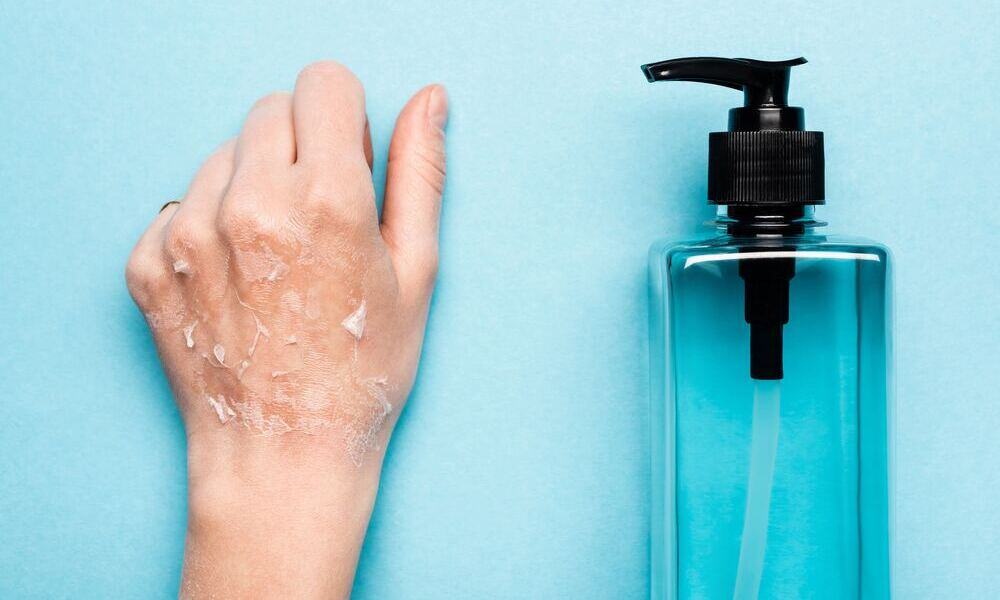
Chemical exfoliation is a bit of a weird name for a process where you put acids on your face to make all the dead skin cells just, you know, fall off. Unlike physical exfoliation, which involves scrubbing your skin, chemical exfoliants do the work by breaking down the “glue” that keeps those dead cells stuck together. This means they can be released more easily. This helps your skin cells renew more quickly, so you can show off the fresh, healthy skin underneath.
Chemical exfoliants are very popular and can be found in lots of different products like cleansers, toners, serums, masks, and even peels. If you’re just starting out, it’s a great idea to begin with lower concentrations and take your time. Gradually increasing how often you use them will help your skin adjust nicely. And don’t forget—if you’re using products with alpha hydroxy acids (AHAs), make sure to slather on some sunscreen. They can make your skin a bit more sensitive to the sun.
Benefits Of Chemical Exfoliation
These powerful ingredients do a lot more than just make your skin look good. They play a big role in improving your skin’s overall health, clarity, and youthful appearance. So, yeah, they’re pretty great.
- Improved Skin Texture: Gently smooths out rough or uneven skin by getting rid of those dead cells.
- Brighter Skin Tone: Works to gently reduce hyperpigmentation, dark spots, and those pesky post-inflammatory marks.
- Reduced Breakouts: BHAs can help you by keeping your pores clear. They work wonders on blackheads, whiteheads, and acne.
- Stimulates Collagen Production: It helps your skin cells renew themselves, which can give you that firmer, more youthful glow as time goes by.
- Minimizes Fine Lines and Wrinkles: AHAs are a great way to help smooth out those fine lines! They work by encouraging your skin’s cellular turnover and boosting its elasticity.
- Increased Product Absorption: When you clear away dead skin cells, it helps your serums and moisturizers work their magic even better.
- Less Abrasive: Chemical exfoliants are often seen as a gentler option compared to physical exfoliants. They help to smooth and brighten your skin without the worry of causing micro-tears or irritation.
Chemical exfoliation is a solid option for all kinds of skin types and concerns, so it’s a valuable step in many effective skin care routines. It works by gently getting rid of those old, dull skin cells and helping new, fresh ones come through. This process can really boost your skin health and improve its overall look.
How Do Chemical Exfoliants Work?
Chemical exfoliants focus on breaking down the glue that keeps dead skin cells stuck together on your skin’s surface. This outer layer, known as the stratum corneum, is made up of dead skin cells (called corneocytes) that are tightly packed together by little structures known as desmosomes. Let’s take a closer look at how this all works:
Let’s dive in and check out how everything works:
- Application: Chemical exfoliants, which include acids like AHAs, BHAs, and PHAs, as well as enzymes, are great for your skin. They work their way by penetrate into the top layers of your skin, helping to reveal a brighter, smoother complexion underneath.
- Dissolving Intercellular Bonds: Chemical exfoliants have active ingredients that gently break apart the bonds, like desmosomes, that hold dead skin cells together. You can think of it as dissolving the cement that keeps bricks in a wall stuck.
- Shedding and Renewal: When these bonds break, the dead skin cells are gently unglued from your skin. This makes it easy for them to naturally shed or wash away when you cleanse your face. It also helps speed up your skin’s natural cell turnover rate, which can slow down as we age or when our skin is exposed to the sun.
- Revealing New Skin: When you get rid of those old, dull dead skin cells through chemical exfoliation, you’re unveiling the fresh, healthy skin hiding beneath. This new layer is not only more radiant but also soaks up your favorite skincare products better and usually looks smoother and more even in tone.
So, chemical exfoliants just help your skin shed all the dead cells, and that comes with a bunch of benefits. You’ll get smoother skin, fewer breakouts, a brighter glow, and an overall more youthful look. So, yeah, that’s how it works.
Main Types Of Chemical Exfoliants
Now that we’ve talked about how chemical exfoliants do their thing, let’s take a closer look at the different types out there. They all help you get rid of dead skin, but each one has its own special ingredients and benefits. This means you can find the perfect fit for your unique skin concerns and sensitivities.
Here are some of the common types of chemical exfoliants you might come across:
- Alpha Hydroxy Acids (AHAs): Alpha hydroxy acids, or AHAs, are gentle, water-soluble acids typically found in fruits and milk. By working mainly on the surface, AHAs help enhance your skin’s texture and tone while tackling concerns like dark spots, fine lines, and dullness. Here are some common AHAs you might come across:
- Glycolic Acid: The smallest AHA molecule is great for getting deep into the skin and is often seen as a very effective ingredient for anti-aging and resurfacing.
-
- Lactic Acid: A gentler AHA that also gives your skin a boost of hydration. This one is perfect for those with dry or sensitive skin.
-
- Mandelic Acid: This is a very gentle AHA, perfect for those with sensitive skin.
-
- Citric Acid: Made from citrus fruits, this ingredient is a type of AHA that can really make a difference for your skin by helping to improve photodamage and reduce dark spots.
- Beta Hydroxy Acids (BHAs): These are oil-soluble acids, which means they can dive deep into your pores to help clear out excess oil, dead skin cells, and any debris. They work wonders for oily, combination, and acne-prone skin. One of the most popular BHAs you might hear about is:
- Salicylic Acid: It’s good at getting rid of clogged pores, helping to reduce inflammation, and tackling pesky breakouts like blackheads and whiteheads.
- Poly Hydroxy Acids (PHAs): If you’re looking for a gentler option than AHAs, these are a great choice! They have larger molecules that don’t dive as deep into the skin, making them perfect for those with sensitive skin. They offer similar exfoliating and hydrating benefits. Here are a few examples to consider:
- Gluconolactone: This PHA is a strong antioxidant that shields your skin from free radicals. It is also a powerful humectant, which means it draws in moisture and keeps it locked in—perfect for those days when your skin feels a bit dry or thirsty. Gluconolactone also works to boost your skin’s moisture barrier and can help improve your skin tone and texture.
-
- Lactobionic Acid: It’s even kinder than gluconolactone because of its slightly larger molecular size, making it perfect for those reactive skin types. It’s a powerful humectant and antioxidant! That means it not only keeps your skin hydrated but also helps in reducing the appearance of fine lines and improving elasticity. It can improve strengthen your skin barrier and speed up the healing process.
- Enzymes: Enzymes, which often come from fruits like papaya or pineapple, can gently exfoliating your skin. They help break down the protein bonds in dead skin cells, kind of digesting them away so your skin can feel fresh and renewed. They’re usually a gentler option compared to AHAs and BHAs.
When you’re picking a chemical exfoliant, consider your skin type and any problems you have. Start with a low concentration and don’t use it all the time at first—this helps your skin get used to it. And sun protection is key when you use this stuff. These products can make your skin a bit more sensitive to the sun, so don’t forget the sunscreen.


